
Canadian Defence Signals
Capacity expands while qualification bottlenecks remain visible
Editorial briefing snapshot
The Bottom Line
The combined picture matters because industrial scale is not created by floor space alone. Programs also depend on qualified components, test infrastructure, data rights, workforce and reliable inputs. Suppliers should map where they remove one of those constraints rather than presenting capacity as an undifferentiated claim.
In context
New Canadian production investment arrived alongside allied warnings about testing, schedule and supply-chain constraints. HFI Pyrotechnics announced a major facility expansion, while Arctic infrastructure work, navigation-system qualification, mineral rules and B-52 upgrades exposed the less visible dependencies behind operational capacity.
In this edition
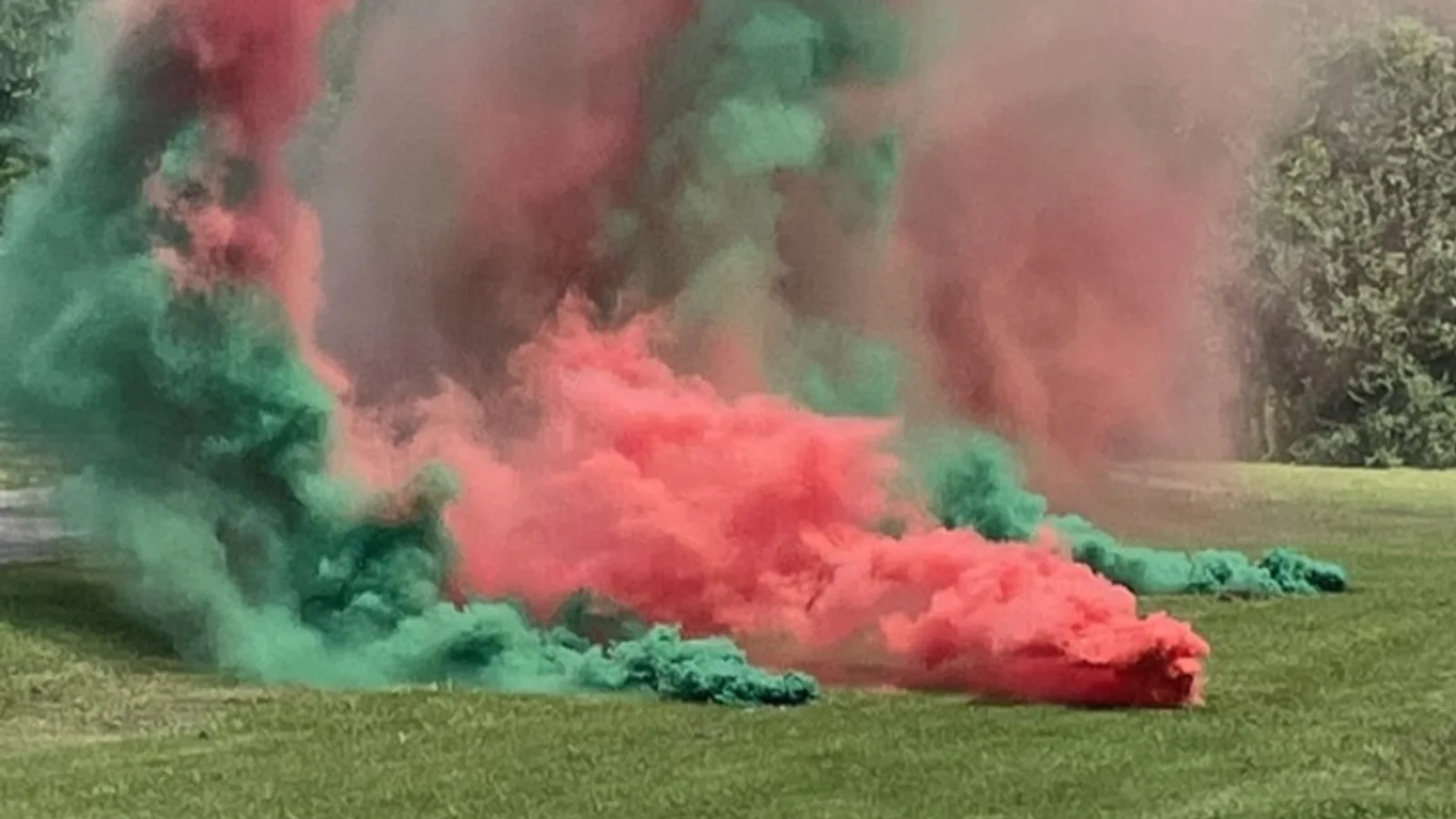
HFI Pyrotechnics announces a $120 million facility expansion
Canadian Defence Review reports that HFI Pyrotechnics announced a $120 million expansion at its Edwardsburgh Cardinal facility.
The public record puts a concrete actor and action on the board. Canadian Defence Review reports that HFI Pyrotechnics announced a $120 million expansion at its Edwardsburgh Cardinal facility. The scale of the expansion signals a deliberate attempt to increase domestic energetic-material and ammunition-related capacity at a time of sustained allied demand.
For a reader deciding where to spend attention, the practical signal is the relationship between the named actor, the capability or program movement, and the delivery constraint it exposes. The report does not establish completed financing, production start dates, contracted output or customer allocation. The development is useful as a lead for structured follow-up, not as proof of a Canadian procurement outcome.
What the public record says
Canadian Defence Review reports that HFI Pyrotechnics announced a $120 million expansion at its Edwardsburgh Cardinal facility.
Why this may matter
The scale of the expansion signals a deliberate attempt to increase domestic energetic-material and ammunition-related capacity at a time of sustained allied demand.
Evidence limits
The report does not establish completed financing, production start dates, contracted output or customer allocation.
Practical next step
Verify the company announcement, construction schedule and product lines before mapping specific supplier or workforce opportunities.
Original source (1)
- Canadian Defence Review: HFI Pyrotechnics Announces $120M Expansion at Edwardsburgh Cardinal Facility (opens in a new tab)Published headline and article body
CAF engineers head north to assess Arctic infrastructure needs
Vanguard reports that Canadian Armed Forces engineers deployed north to determine what Arctic infrastructure is actually required.
A new delivery milestone sharpens the picture. Vanguard reports that Canadian Armed Forces engineers deployed north to determine what Arctic infrastructure is actually required. Direct engineering assessment can convert broad sovereignty goals into site, mobility, power, communications and sustainment requirements that industry can eventually respond to.
For a reader deciding where to spend attention, the practical signal is the relationship between the named actor, the capability or program movement, and the delivery constraint it exposes. The article does not disclose final requirements, budgets, locations suitable for public release or procurement schedules. The development is useful as a lead for structured follow-up, not as proof of a Canadian procurement outcome.
What the public record says
Vanguard reports that Canadian Armed Forces engineers deployed north to determine what Arctic infrastructure is actually required.
Why this may matter
Direct engineering assessment can convert broad sovereignty goals into site, mobility, power, communications and sustainment requirements that industry can eventually respond to.
Evidence limits
The article does not disclose final requirements, budgets, locations suitable for public release or procurement schedules.
Practical next step
Track the resulting public requirements and confirm which infrastructure problems become funded programs before approaching delivery partners.
Original source (1)
- Vanguard Canada: CAF engineers head north to find out what Canada’s Arctic actually needs (opens in a new tab)Published headline and article body
New mineral procurement rules change the supplier calculus
Breaking Defense reports that new mineral procurement rules and their waivers will change how defence buyers and suppliers manage critical inputs.
The industrial signal is specific enough to investigate. Breaking Defense reports that new mineral procurement rules and their waivers will change how defence buyers and suppliers manage critical inputs. The policy shift makes material origin, traceability and waiver strategy part of competitive readiness rather than a back-office compliance detail.
For a reader deciding where to spend attention, the practical signal is the relationship between the named actor, the capability or program movement, and the delivery constraint it exposes. The article does not establish how every rule will be applied, which Canadian suppliers qualify or how waivers will be granted. The development is useful as a lead for structured follow-up, not as proof of a Canadian procurement outcome.
What the public record says
Breaking Defense reports that new mineral procurement rules and their waivers will change how defence buyers and suppliers manage critical inputs.
Why this may matter
The policy shift makes material origin, traceability and waiver strategy part of competitive readiness rather than a back-office compliance detail.
Evidence limits
The article does not establish how every rule will be applied, which Canadian suppliers qualify or how waivers will be granted.
Practical next step
Inspect the final clauses and map material provenance before relying on current supply arrangements for allied defence work.
Original source (1)
- Breaking Defense: The devil was in the waivers: How new minerals procurement rules will change the game (opens in a new tab)Published headline and article body
M-code receivers approach testing for ships and aircraft
Breaking Defense reports that M-code receivers for ships and aircraft are expected to complete testing by 2027.
An allied development supplies a useful comparison point. Breaking Defense reports that M-code receivers for ships and aircraft are expected to complete testing by 2027. The timeline shows how navigation resilience depends on receiver qualification and platform integration, not simply access to a satellite signal.
For a reader deciding where to spend attention, the practical signal is the relationship between the named actor, the capability or program movement, and the delivery constraint it exposes. The report does not establish Canadian platform schedules, supplier access or whether the cited tests will satisfy Canadian authorities. The development is useful as a lead for structured follow-up, not as proof of a Canadian procurement outcome.
What the public record says
Breaking Defense reports that M-code receivers for ships and aircraft are expected to complete testing by 2027.
Why this may matter
The timeline shows how navigation resilience depends on receiver qualification and platform integration, not simply access to a satellite signal.
Evidence limits
The report does not establish Canadian platform schedules, supplier access or whether the cited tests will satisfy Canadian authorities.
Practical next step
Compare the test milestones with Canadian assured-positioning requirements and verify which receiver and integration roles are open.
Original source (1)
- Breaking Defense: Light at the end of M-code’s tunnel? Receivers for ships, planes to finish tests by 2027 (opens in a new tab)Published headline and article body
B-52 upgrades expose cost and schedule risk
Breaking Defense reports that key B-52 upgrades face cost and schedule risks identified by the U.S. Government Accountability Office.
The final item exposes an enabling constraint that is easy to miss. Breaking Defense reports that key B-52 upgrades face cost and schedule risks identified by the U.S. Government Accountability Office. The finding is a useful benchmark for Canadian teams working around long-lived fleets: modernization risk concentrates at interfaces, sequencing and qualification, not only in individual components.
For a reader deciding where to spend attention, the practical signal is the relationship between the named actor, the capability or program movement, and the delivery constraint it exposes. The article does not establish the final program outcome or direct applicability to Canadian aircraft projects. The development is useful as a lead for structured follow-up, not as proof of a Canadian procurement outcome.
What the public record says
Breaking Defense reports that key B-52 upgrades face cost and schedule risks identified by the U.S. Government Accountability Office.
Why this may matter
The finding is a useful benchmark for Canadian teams working around long-lived fleets: modernization risk concentrates at interfaces, sequencing and qualification, not only in individual components.
Evidence limits
The article does not establish the final program outcome or direct applicability to Canadian aircraft projects.
Practical next step
Read the underlying GAO findings and compare the cited integration risks with Canadian sustainment and modernization plans.
Original source (1)
- Breaking Defense: Key B-52 upgrades face cost, schedule risks: GAO (opens in a new tab)Published headline and article body